|
|
|
What's a School Uniform?
A school uniform is basically a set of clothes that students wear to school. The idea is to make everyone feel like they're part of the same team, behave well, and see each other as equals.
🕰️ How School Uniforms Started
1500s England: They first popped up at charity schools (like Christ’s Hospital in London back in 1552).
1800s: They spread to schools all over, usually to keep things orderly.
1900s: Lots of countries (especially in Asia, Africa, and Latin America) made them part of their education systems.
Now: Some schools are strict about uniforms, but others let you have more freedom with what you wear.
👕 What's Usually in a School Uniform
Uniforms change depending on where you are, the culture, and what grade you're in, but here's what you usually see:
For Everyone
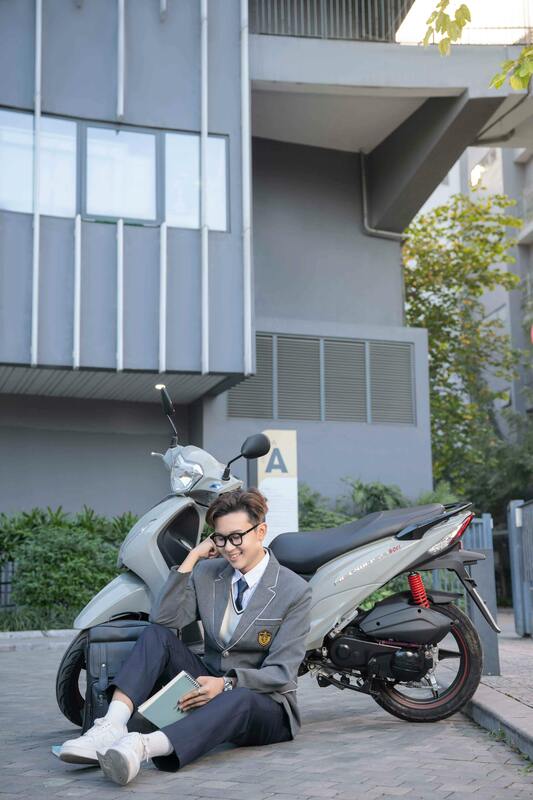
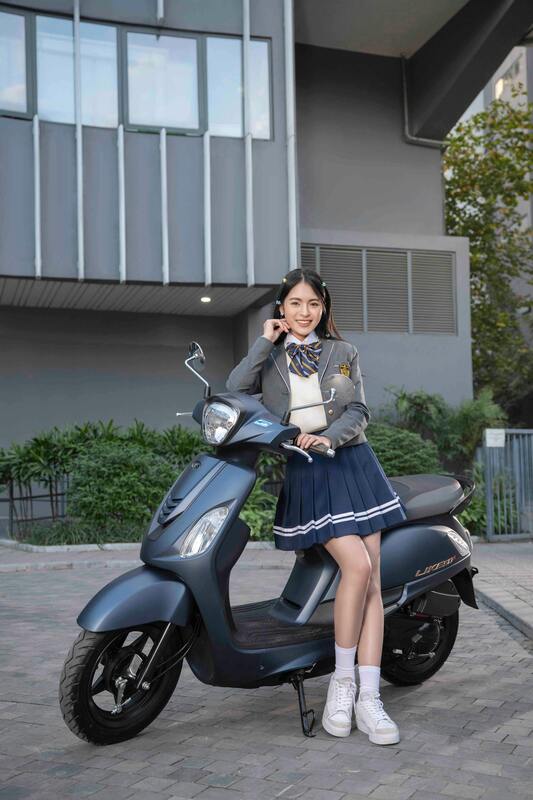
Shirt/Blouse: Usually white, light blue, or in the school's colors.
Pants/Skirts: Guys usually wear pants, girls wear skirts (but now lots of schools let anyone wear pants).
Jacket: Often with the school's logo on it.
Tie: Common in older-style schools.
Shoes: Usually black or brown, closed-toe, and shiny.
Socks: Usually plain colors like white, grey, or black.
For the Weather/Optional
Sweaters
Hats
Sports stuff (T-shirts, shorts, etc.)
Cultural stuff (like shalwar kameez in some countries)
🌍 How It Changes Around the World
UK: Jackets and ties are common.
Japan: They have special outfits called gakuran for guys and sailor-style uniforms for girls.
China: Usually tracksuit-like uniforms.
South Asia: Shalwar kameez are common instead of skirts or pants.
Africa: Usually simple because of the weather, like shirts and shorts.
US: Lots of schools just have rules about what you can wear, but private schools usually have strict uniforms.
🎯 Why Schools Have Uniforms
Equality: So you can't tell who has more money based on their clothes.
Good Behavior: To keep things in order and help you focus.
Team Spirit: To make everyone feel like they belong.
Safety: To easily spot strangers on school property.
Easy: So you don't have to spend forever picking out clothes in the morning.
⚖️ Good and Bad Sides
✅ What's Good
Makes everyone equal and stops bullying about clothes.
Makes you behave better and look neat.
Helps you feel like you're part of the school.
Saves you time and money on clothes.
❌ What's Bad
Stops you from showing who you are.
Can be uncomfortable.
Can be pricey.
Makes everyone the same.
🎒 Extras and Rules
Hair is often controlled.
Jewelry is usually simple.
Makeup is usually not allowed for younger kids.
Bags might have to be a certain color.
📚 What's New
More schools are letting everyone wear the same stuff, no matter if they're boys or girls.
They're using comfy fabrics instead of stiff ones.
Eco-friendly stuff is becoming popular.
They're getting rid of ties and jackets when it's hot.
Mixing cultural clothes with uniforms.
A school uniform is basically a set of clothes that students wear to school. The idea is to make everyone feel like they're part of the same team, behave well, and see each other as equals.
🕰️ How School Uniforms Started
1500s England: They first popped up at charity schools (like Christ’s Hospital in London back in 1552).
1800s: They spread to schools all over, usually to keep things orderly.
1900s: Lots of countries (especially in Asia, Africa, and Latin America) made them part of their education systems.
Now: Some schools are strict about uniforms, but others let you have more freedom with what you wear.
👕 What's Usually in a School Uniform
Uniforms change depending on where you are, the culture, and what grade you're in, but here's what you usually see:
For Everyone
Shirt/Blouse: Usually white, light blue, or in the school's colors.
Pants/Skirts: Guys usually wear pants, girls wear skirts (but now lots of schools let anyone wear pants).
Jacket: Often with the school's logo on it.
Tie: Common in older-style schools.
Shoes: Usually black or brown, closed-toe, and shiny.
Socks: Usually plain colors like white, grey, or black.
For the Weather/Optional
Sweaters
Hats
Sports stuff (T-shirts, shorts, etc.)
Cultural stuff (like shalwar kameez in some countries)
🌍 How It Changes Around the World
UK: Jackets and ties are common.
Japan: They have special outfits called gakuran for guys and sailor-style uniforms for girls.
China: Usually tracksuit-like uniforms.
South Asia: Shalwar kameez are common instead of skirts or pants.
Africa: Usually simple because of the weather, like shirts and shorts.
US: Lots of schools just have rules about what you can wear, but private schools usually have strict uniforms.
🎯 Why Schools Have Uniforms
Equality: So you can't tell who has more money based on their clothes.
Good Behavior: To keep things in order and help you focus.
Team Spirit: To make everyone feel like they belong.
Safety: To easily spot strangers on school property.
Easy: So you don't have to spend forever picking out clothes in the morning.
⚖️ Good and Bad Sides
✅ What's Good
Makes everyone equal and stops bullying about clothes.
Makes you behave better and look neat.
Helps you feel like you're part of the school.
Saves you time and money on clothes.
❌ What's Bad
Stops you from showing who you are.
Can be uncomfortable.
Can be pricey.
Makes everyone the same.
🎒 Extras and Rules
Hair is often controlled.
Jewelry is usually simple.
Makeup is usually not allowed for younger kids.
Bags might have to be a certain color.
📚 What's New
More schools are letting everyone wear the same stuff, no matter if they're boys or girls.
They're using comfy fabrics instead of stiff ones.
Eco-friendly stuff is becoming popular.
They're getting rid of ties and jackets when it's hot.
Mixing cultural clothes with uniforms.
|
|
Okay, here's a rewrite of that school uniform info, making it sound more like a person wrote it:
**School Uniform Styles**
So, school uniforms aren't all the same. Here are a few common types:
1. **Formal/Classic:** Think button-down shirts, blazers, ties, and dress shoes. You often see this in the UK, countries that used to be part of the British Empire, and private schools.
2. **Semi-Formal/Relaxed:** This is more like polo shirts or T-shirts with pants or skirts, but no blazers. It's pretty common in US charter schools and a lot of places in Europe.
3. **Sporty:** Tracksuits, polo shirts, shorts, and sneakers. You'll see this a lot in East Asia, like China and Korea, even for everyday wear.
4. **Cultural/Regional:**
* Japan: Sailor suits for girls and gakuran for boys.
* South Asia: Shalwar kameez, kurta, or tunics.
* Africa: Lightweight shirts and shorts or skirts because it's hot!
**What Uniforms Are Made Of**
* **Cotton:** It breathes well, so it's good when it's hot.
* **Polyester blends:** These last long and don't wrinkle easily.
* **Wool:** Used for blazers and sweaters, mainly where it's cold.
* **Synthetics:** They're cheap and easy to wash, but not always the most comfy.
* **Eco-friendly stuff:** Like bamboo, recycled polyester, and organic cotton. This is getting more popular now.
**School Uniform Styles**
So, school uniforms aren't all the same. Here are a few common types:
1. **Formal/Classic:** Think button-down shirts, blazers, ties, and dress shoes. You often see this in the UK, countries that used to be part of the British Empire, and private schools.
2. **Semi-Formal/Relaxed:** This is more like polo shirts or T-shirts with pants or skirts, but no blazers. It's pretty common in US charter schools and a lot of places in Europe.
3. **Sporty:** Tracksuits, polo shirts, shorts, and sneakers. You'll see this a lot in East Asia, like China and Korea, even for everyday wear.
4. **Cultural/Regional:**
* Japan: Sailor suits for girls and gakuran for boys.
* South Asia: Shalwar kameez, kurta, or tunics.
* Africa: Lightweight shirts and shorts or skirts because it's hot!
**What Uniforms Are Made Of**
* **Cotton:** It breathes well, so it's good when it's hot.
* **Polyester blends:** These last long and don't wrinkle easily.
* **Wool:** Used for blazers and sweaters, mainly where it's cold.
* **Synthetics:** They're cheap and easy to wash, but not always the most comfy.
* **Eco-friendly stuff:** Like bamboo, recycled polyester, and organic cotton. This is getting more popular now.